How to Choose the Right Dubai Desert Safari for Your Trip
Start with the kind of day you want
Before comparing operators, decide what role the desert day should play in your trip. Some visitors want a calm introduction to the dunes, with time for photos, a short drive and a relaxed evening meal. Others want a more active outing built around a quad bike, dune buggy, or longer time away from the city. The right choice depends less on the name of the package and more on how the hours are spent.
Think about your group as well. Children, older relatives, guests who are sensitive to heat, and people who prefer quieter settings may all need a different pace. A trip that looks exciting on paper can feel rushed if the schedule is packed from pickup to drop-off. A slower option may suit a first visit better, especially if the desert is new to you.
The main time formats are usually an evening safari, a morning safari, and an overnight safari. An evening safari is often chosen for cooler light, dinner and entertainment. A morning safari tends to suit people who prefer a shorter outing and brighter views. An overnight safari gives the desert more space, with a slower rhythm after the day crowds thin out. When comparing dubai desert safari tours, match the format to your energy level, not just to the activity list.
Check how the day is structured
Read the schedule closely. A good itinerary shows what happens in order, how long each part lasts, and where there is room to rest. Watch for vague wording such as unlimited time, full experience, or premium adventure without clear detail. Those phrases can hide a short ride, a long wait, or a stop that takes up much of the outing.
Pickup and drop-off also matter. Confirm whether transport is included, where pickup happens, and whether the return point is the same. In a city where distances can feel longer than expected, transport can shape the whole day. Ask what happens if your hotel is outside the usual pickup area, and whether the timings are fixed or flexible.

Group size changes the feel of the trip. A smaller group often means shorter waits and more space at photo stops. A larger group may feel busier, but it can still work well if the programme is organised. Look for clear meeting points and instructions, especially if several vehicles arrive at the same place at once.
Compare activities without overpacking the day
Dune driving is the core of many trips, but it is not the only detail to weigh. Some packages include a sand dune stop, camel rides, entertainment, dinner, or wildlife spotting. The best mix is usually the one your group will actually enjoy. A long list of activities can sound generous while leaving little time to enjoy any of them.
If you want a quad bike or dune buggy, check what is included and what is optional. Ask whether the price covers the ride, safety gear, instruction and any required deposit. Also check age rules, driving requirements, and whether there is a gentler route for beginners. A powerful ride on open sand is not the place for guessing about controls or rules.
Safety standards deserve direct attention. Reputable operators give clear briefings, provide suitable safety equipment, and explain how riders should behave on dunes. Avoid any provider that pressures guests to skip instructions or treats safety gear as optional. If a vehicle seems poorly maintained or a guide ignores basic procedures, that is a sign to step back.
For families, ask which activities have age or height limits and whether there are quieter areas away from the busiest riding zones. For photographers, ask when the vehicle stops and how much time is allowed at each stop. For anyone prone to motion sickness, ask how long the dune driving lasts and whether it is possible to take a gentler pace.
Read the inclusions with care
Inclusions are where two similar looking trips can differ sharply. Dinner may be a full buffet, a set meal, or a light snack. Entertainment may be a full show, a short performance, or background music. Drinks may be limited, and some extras may only be available for purchase on site. None of this is wrong, but it should be clear before booking.
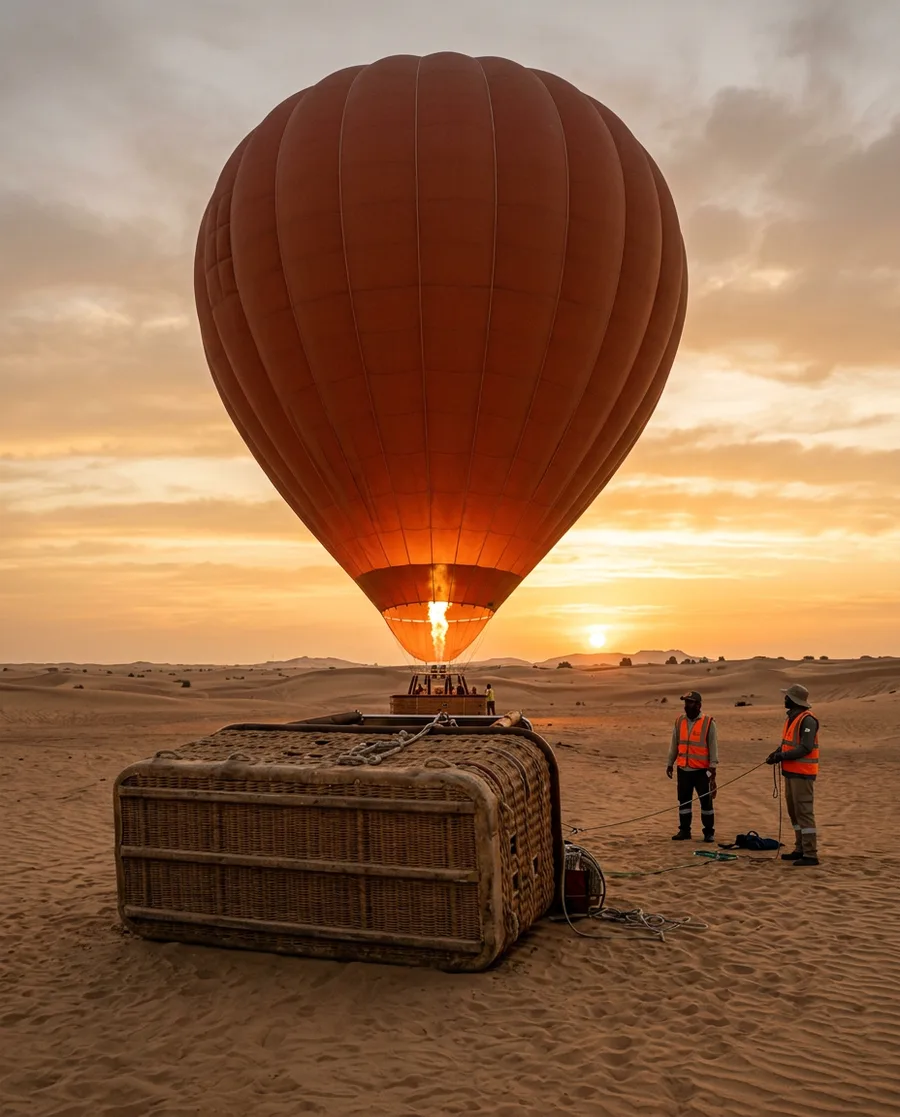
When browsing dubai desert safari tours, compare like with like. Look at the same time slot, the same pickup arrangement, and the same level of activity. A cheaper option may exclude transport or charge separately for rides, while a higher priced one may simply offer a calmer schedule and clearer service. The value is in the match, not in the longest feature list.
Seating and facilities can also affect comfort. Ask whether dinner is served in a shared tent, an open area, or a more private setting. Check whether there are clean restrooms, shaded waiting areas and space to sit away from music or fire displays. These details rarely dominate the brochure, yet they shape the evening for many guests.
Check rules, timing and weather
Desert conditions change through the day. In warmer months, midday heat can make active trips uncomfortable, while evenings may still feel warm. In cooler months, early mornings and late evenings can feel surprisingly brisk. Bring layers when needed, and choose footwear that handles sand without being easy to lose. Sunglasses, sun protection and water are sensible for daytime plans.
Ask about cancellation, rescheduling and what happens if weather disrupts the trip. Sand conditions, strong wind or local restrictions can affect driving routes and outdoor activities. A clear policy is better than a promise that sounds flexible but has no detail behind it. Keep written confirmation of the main points, including pickup time, activities included, and any limits that apply.
Also check what is expected from guests. Dress codes may apply at certain venues or during formal dining areas. Photography rules may apply around performers or private spaces. Rules for riding, drinking, and smoking vary by operator and setting. Knowing these in advance avoids awkward moments later.
Make the final choice with a simple comparison
Shortlist a few options, then judge them against the same priorities. The useful questions are practical: Who is going? What time of day suits the group? How active should the trip be? What is included? How clear are the safety rules and timings? Once those answers are steady, the choice becomes much easier.
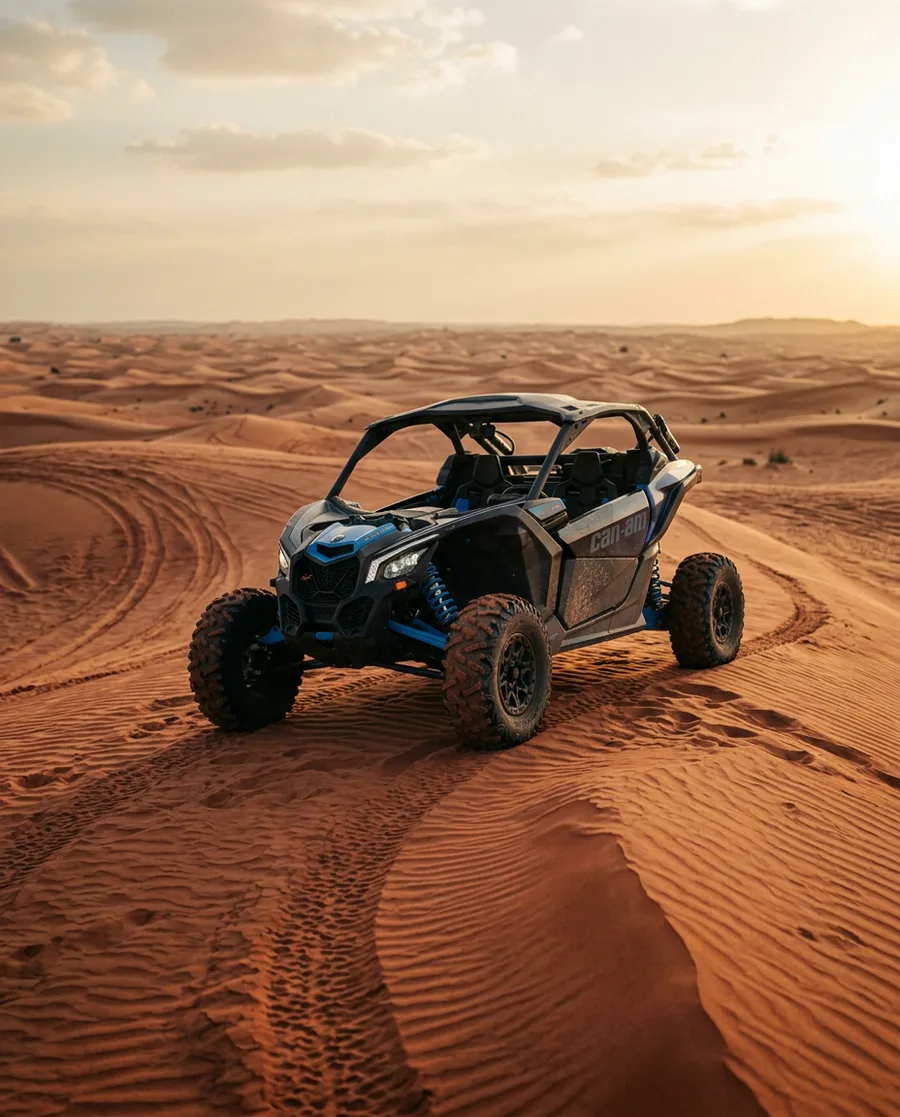
Be cautious of decisions made only from dramatic photos. Dunes look impressive in almost every setting, and a good image does not tell you how the day is run. Read the itinerary, ask direct questions, and note how clearly the answers are given. Clear communication before the trip is often a good sign of how the day itself will be handled.
A well chosen desert outing leaves room for the parts people remember: wide views, a smooth drive over sand, a relaxed meal, and enough time to take it all in. Choose the format first, then the activities, then the small comfort details. That order keeps the decision focused and helps the day feel worth the planning.